
Exploring the cultural impact of casinos on modern society
Historical Context of Casinos
Casinos have a rich history that dates back centuries, evolving from ancient gaming houses to the glamorous establishments we see today. Initially, gambling was often a private affair among the elite, primarily in Europe. The rise of dedicated gambling venues began in the 17th century, particularly in Italy with the invention of the casino as a social space. This shift laid the groundwork for modern casinos, influencing their architectural design and social significance. If you’re interested in such experiences, Bankobet registration opens up a world of gaming options.
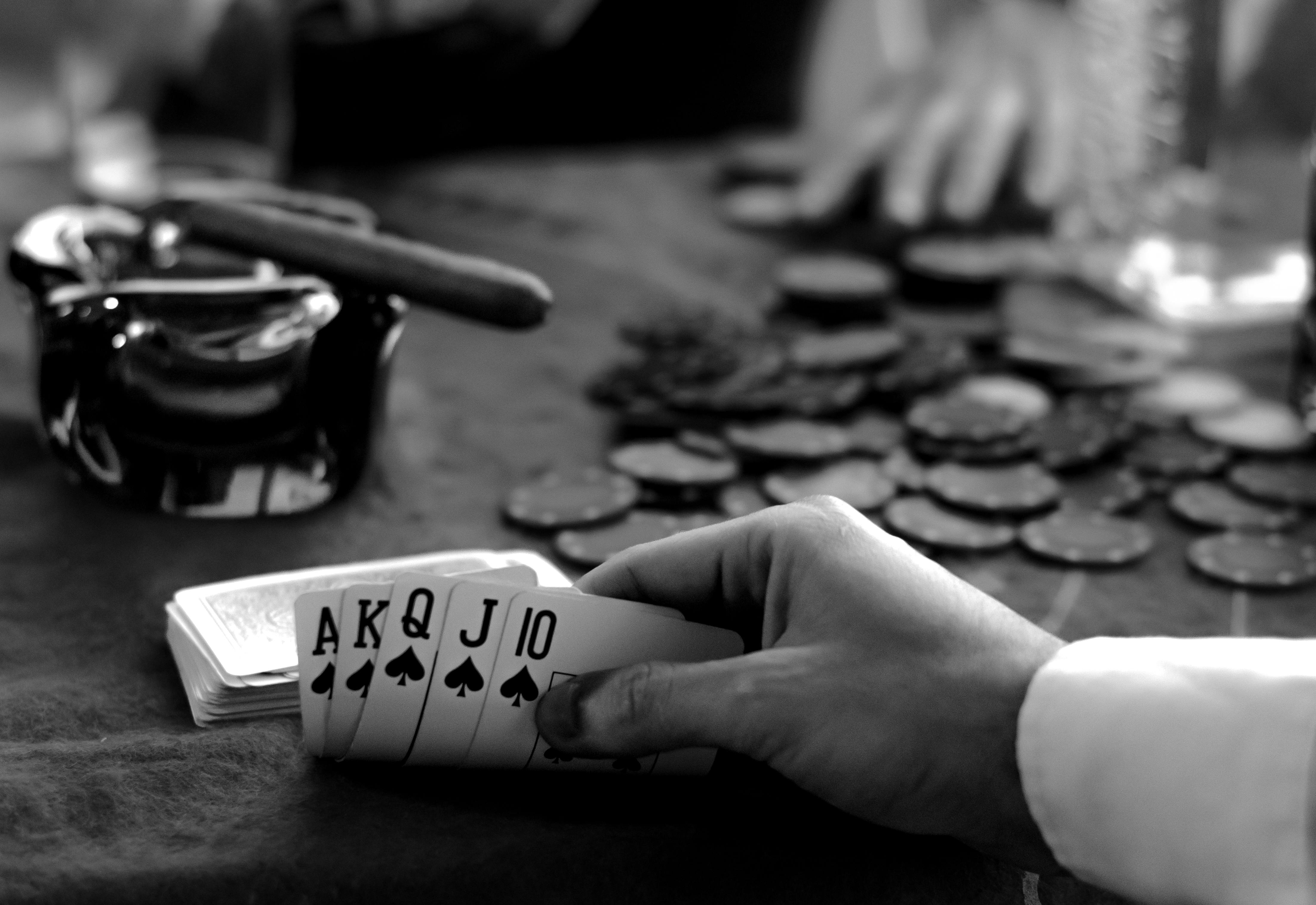
As casinos began to proliferate in various parts of the world, their role transformed into a public spectacle, reflecting broader societal values. The development of Las Vegas in the mid-20th century marked a significant turning point, positioning casinos as key components of entertainment and tourism. This shift not only made gambling accessible to the masses but also intertwined it with popular culture, shaping perceptions of luck, risk, and success.
Today, the historical trajectory of casinos contributes significantly to their cultural impact, symbolizing both extravagance and temptation. They often serve as microcosms of society, showcasing various human behaviors and societal norms. The way casinos have adapted over time, from traditional card games to high-tech slot machines, illustrates how cultural preferences influence the gambling experience, further embedding them into the fabric of modern society.
Casinos and Social Interaction
One of the most profound cultural impacts of casinos is their role as social hubs where people gather for entertainment. Whether visiting with friends, family, or even meeting new acquaintances, casinos facilitate interactions that can transcend socio-economic barriers. The atmosphere of excitement, combined with the shared experience of risk-taking, fosters a unique camaraderie among players. This aspect is particularly significant in cultures where social gatherings are central to community life.
The design of casinos often encourages this social interaction, featuring lounges, bars, and performance spaces alongside gaming floors. This creates an environment where people can engage in conversation and share experiences, making the casino visit a communal event rather than just a solitary gamble. Furthermore, casinos often host events that draw in large crowds, further promoting social cohesion and interaction, as seen in themed nights, tournaments, and live performances.
Moreover, casinos can reflect and challenge social norms regarding gambling and risk. In cultures where gambling is stigmatized, casinos may become spaces for subversion, allowing individuals to explore their desires in a controlled environment. Conversely, in societies where gambling is celebrated, casinos can reinforce positive social interactions and community bonding. Thus, casinos play a dual role in shaping and reflecting social dynamics within modern society.
The Economic Impact of Casinos
Casinos significantly influence local economies, often serving as vital sources of employment and tourism. Many regions have strategically developed casinos to attract visitors and stimulate economic growth. The influx of tourists brings not only revenue to the casinos themselves but also benefits local businesses, such as hotels, restaurants, and entertainment venues. This economic ripple effect can transform areas, enhancing infrastructure and local services.
Moreover, the taxation from casino revenues provides governments with substantial funds, which can be reinvested in community projects, education, and public services. For instance, many jurisdictions allocate a portion of gambling taxes to support local initiatives, thereby directly impacting residents’ lives. However, this economic boon must be weighed against potential social costs, such as gambling addiction and crime, which can also strain local resources.
The dynamic relationship between casinos and the economy illustrates the complexity of their cultural impact. While they can act as engines of growth, they also raise ethical questions regarding the promotion of gambling and its consequences. Thus, understanding the economic implications of casinos is crucial for evaluating their overall role in shaping modern society.
Casinos in Popular Culture
The portrayal of casinos in popular culture significantly shapes public perception and attitudes toward gambling. From movies like “Casino Royale” to television shows that center around high-stakes poker games, these depictions often romanticize the allure of casinos, emphasizing glamour, excitement, and the thrill of risk. Such representations contribute to a cultural narrative that intertwines gambling with themes of chance, adventure, and sometimes, moral dilemmas.
Furthermore, casinos serve as backdrops for various forms of entertainment, influencing music, literature, and art. The imagery of casinos often evokes a sense of escapism, allowing individuals to indulge in fantasies of wealth and success. This cultural fascination can lead to a normalization of gambling, making it more socially acceptable and integrated into everyday life. As a result, casinos become emblematic of broader societal themes, such as aspiration and the American Dream.
However, the glamorization of casinos can also downplay the risks associated with gambling, leading to misconceptions about its impacts. While popular media often portrays the success stories of winners, the reality involves much more complexity. This duality in representation calls for a critical examination of how casinos are depicted and how these narratives influence societal views on gambling.

Conclusion: The Future of Casinos and Their Cultural Relevance
As technology continues to evolve, so too does the landscape of casinos, making their cultural impact even more significant. Online casinos and mobile gaming have revolutionized the industry, allowing for unprecedented access to gambling experiences. This shift challenges traditional notions of casinos as physical spaces, emphasizing the need for a broader understanding of their cultural relevance in a digital age. Online platforms create new social dynamics, as players connect through virtual environments, further diversifying how gambling is perceived and experienced.
Moreover, as societal attitudes toward gambling shift, casinos must adapt to remain relevant. Initiatives focused on responsible gaming and community engagement are increasingly important. By addressing the potential negative impacts of gambling, casinos can foster a more positive cultural identity, aligning their operations with evolving public expectations. This adaptability will be crucial for the future of casinos in modern society.
In conclusion, the cultural impact of casinos on modern society is multifaceted, encompassing historical, social, economic, and artistic dimensions. As they continue to evolve, it is essential to recognize their influence and promote a responsible and inclusive gaming culture. Understanding this impact allows society to appreciate the role of casinos not only as entertainment venues but as significant cultural institutions that reflect and shape human behavior.