
Unraveling the fascinating history of gambling from ancient rituals to modern practices
The Origins of Gambling
Gambling has roots that stretch deep into ancient history, with evidence tracing back thousands of years. Archaeological findings in China indicate that rudimentary games of chance were played as early as 2300 BCE, where tiles resembling dice were used. Similarly, ancient Mesopotamia had betting practices recorded on clay tablets, reflecting an early human fascination with risk and reward. These early forms of gambling were often intertwined with religious rituals and were believed to be a means of divination. Additionally, for those looking for an engaging mobile option, the Rainbet Casino App Australia offers a platform tailored for today’s players.
In ancient Rome, gambling became a popular pastime among soldiers and citizens alike. The Romans engaged in betting on gladiatorial contests and races, demonstrating that gambling was not merely a solitary endeavor but a communal activity that fostered social bonds. As these games proliferated, various laws were enacted to regulate gambling, revealing the tension between public interest and moral concerns associated with betting.
The transition from sacred rituals to secular pastimes is significant in understanding the evolution of gambling. Cultures around the world, from the Native Americans in North America with their early forms of dice games to the Egyptians who used betting in board games, showed that gambling had become a universal phenomenon. This blend of entertainment, risk, and cultural expression laid the foundation for gambling as we know it today, highlighting its important role in human civilization.
Gambling in Medieval Times
The Middle Ages saw a transformation in gambling practices, driven by both societal changes and the influence of the church. During this period, many forms of gambling were demonized and associated with sin, leading to a decrease in public gambling activities. However, underground games flourished, demonstrating the human desire to gamble, even in the face of societal disapproval. Playing cards became widely popular in Europe during this time, with the first known deck appearing in the late 14th century.
Despite its clandestine status, gambling during the medieval era often provided essential economic support for local communities. Towns would host fairs and festivals featuring games of chance to draw crowds and generate revenue. These events served not only as entertainment but also as an avenue for commerce and trade. The emergence of betting on sports, particularly in horse racing, can be traced back to this period, further intertwining gambling with societal norms.
The introduction of the first official lottery in the 15th century marked a significant milestone in gambling history. Conducted in Flanders, these lotteries were designed to fund public projects and became a model for future state-run gambling initiatives. This period exemplifies the dual nature of gambling: as a source of revenue for communities while still grappling with its moral implications, setting the stage for the explosive growth of gambling in the modern era.
The Rise of Casinos and Legalization
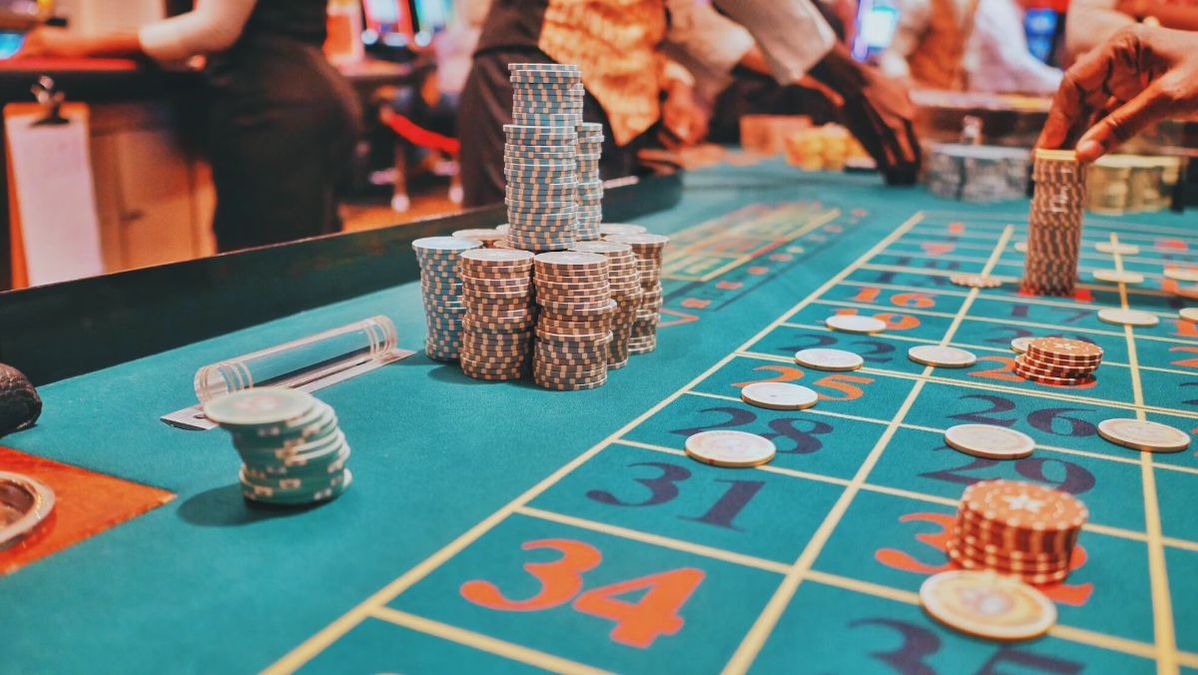
The 17th and 18th centuries ushered in a new era of gambling with the establishment of the first casinos. The Casino di Venezia, opened in 1638, is often considered the world’s first official casino, offering a variety of games to the elite classes. These establishments not only provided entertainment but also became social hubs for the wealthy, reinforcing gambling’s status as a glamorous pursuit. The proliferation of casinos across Europe mirrored growing societal acceptance, leading to the integration of gambling into mainstream culture.
The 19th century saw the expansion of gambling in the United States, particularly during the gold rush era when many settlers sought fortune through games of chance. This led to the establishment of gambling towns, most notably in Nevada, where the famous Las Vegas Strip emerged as a center for legal gambling by the mid-20th century. The regulation and legalization of gambling in various states began to reshape public perception, as governments recognized the potential for tax revenue and economic stimulation.
The evolution of gambling during this time also brought with it various forms of entertainment, including slot machines and card games like poker, which gained immense popularity. With the establishment of the first horse racing tracks and lotteries in the U.S., gambling became interwoven into the fabric of American life. This transition marked a critical point in the acceptance and normalization of gambling, which would set the stage for modern practices.
The Digital Transformation of Gambling
The advent of the internet in the late 20th century revolutionized gambling, creating a platform for online gaming that quickly gained popularity. The first online casinos appeared in the mid-1990s, allowing players to gamble from the comfort of their own homes. This transition opened up new opportunities for engagement, as users could access a myriad of games and betting options previously unavailable to them. The convenience of online gambling appealed to a broader audience, significantly expanding the gambling demographic.
With the rise of mobile technology, gambling has evolved further into the digital realm. Mobile applications, like those offered by various online casinos, have transformed the way people interact with gambling, making it more accessible than ever. Players can now engage in live dealer games, online poker, and sports betting from their smartphones, eliminating geographical barriers. This shift has not only enhanced user experience but has also influenced gambling regulations as governments adapt to new digital landscapes.
The fusion of technology and gambling has also introduced innovative practices, such as responsible gaming initiatives and secure payment methods, ensuring a safer environment for players. As the online gambling industry continues to grow, the importance of regulation becomes paramount, with various jurisdictions implementing laws to protect consumers and maintain fair play. This ongoing evolution reflects not only technological advancements but also a shift in societal attitudes toward gambling as a legitimate form of entertainment.
Modern Gambling Practices and Responsible Gaming
Today, gambling is a multi-billion dollar industry, encompassing everything from traditional casinos to online gaming platforms. With the introduction of esports betting and virtual sports, the landscape continues to evolve, catering to diverse interests and preferences. Gambling is now more than just a game of chance; it involves strategic thinking and analysis, making it appealing to a broader audience, including younger generations who are tech-savvy.
As gambling continues to grow, so too does the emphasis on responsible gaming. Various organizations and regulatory bodies promote safe gambling practices, providing resources and support for individuals who may be struggling with gambling addiction. Awareness campaigns and self-exclusion programs are vital components of modern gambling platforms, ensuring that players are protected while enjoying their gaming experience.
The balance between entertainment and responsibility is crucial in today’s gambling environment. Operators are increasingly adopting measures that prioritize player safety and well-being, recognizing that responsible gaming not only benefits players but also enhances the industry’s reputation. This proactive approach is essential for maintaining public trust and ensuring the long-term sustainability of gambling practices.

Exploring the Future of Gambling
As we delve into the future of gambling, the integration of technology will continue to play a pivotal role. The use of artificial intelligence and data analytics will likely enhance personalized gaming experiences and improve risk management strategies. Virtual and augmented reality technologies hold the promise of creating immersive gaming environments that mimic physical casinos, providing players with realistic experiences without leaving home.
Furthermore, the regulatory landscape for online gambling is expected to evolve as more governments recognize the potential economic benefits. This could lead to an increase in legalized online gambling markets around the world, creating a more competitive environment that fosters innovation and growth. The potential for collaboration between traditional and digital platforms could also reshape the industry, offering hybrid models that appeal to a wider audience.
As we look forward, it is clear that gambling will continue to adapt to societal changes and technological advancements. The emphasis on responsible gaming and player safety will remain paramount as operators strive to build trust and provide enjoyable experiences for their users. The future of gambling promises to be as exciting and dynamic as its rich history, bridging the gap between ancient rituals and modern practices.


